Award-winning wildlife photographer Jake Wilton on his favourite wildlife experiences, where he finds inspiration, and why he keeps returning to Ecopia.
Welcome to Eco Leaders - a curated interview series by Ecopia. Each conversation in this series invites you to slow down and sit with people who are rethinking how we live, lead and care for the natural world.
Some have stayed with us here at Ecopia. Others are planning their first visit. But all of them have one thing in common: a deep commitment to living - and leading - with intention. With heart. And with the kind of purpose that puts sustainability and a deep respect for the land and community around us at the centre. We hope these conversations inspire you to travel more mindfully, live more consciously, and leave a lighter footprint - wherever you go.
Today’s Eco Leader is award-winning photographer Jake Wilton, whose lens has taken him from the turquoise waters of Ningaloo Reef to remote freshwater streams in Far North Queensland - and who knows some of the best wildlife spots in the world. It’s why his love for Ecopia, with its rich biodiversity and close encounters with native wildlife, comes as no surprise. Known for his rare, intimate wildlife encounters and his deep respect for the animals he photographs, Jake captures nature in a way that invites both awe and action.
In this conversation, Jake shares the story behind one of his most extraordinary encounters with wildlife, why choosing certified ecotourism matters, and how growing up immersed in the Australian bush shaped the way he sees - and protects - the natural world.
Who are you and what do you do?
My name is Jake Wilton, and I'm a nature and travel photographer from the mid-north coast of New South Wales, Australia.
What led you to pursue wildlife photography?
I think the thing that inspired my passion for wildlife was just growing up in nature and being surrounded by wildlife - camping, fishing, and then diving.
The photography side of things came from just being over in Western Australia, in a place called the Ningaloo Reef, where I worked in tourism and as a nature guide. That sort of naturally developed into photography - to capture the moments I was experiencing, and to share that with the world.
What message do you hope others take away from your work?
Just a love for wildlife and nature, really. I hope that people get out and experience it for themselves, because I've been so fortunate in my life to have so many amazing encounters with wildlife and go to so many incredible places. Not many people get the opportunity to do that or have the willingness to do it. So I hope that my photography can inspire them to get out and see these amazing animals and these amazing places for themselves - and then, hopefully down the line, want to protect them.
What’s been your most remarkable wildlife encounter?
In terms of Australian wildlife, I was recently up in Far North Queensland, where I was lucky enough to find a freshwater stream that had platypus living on it. And platypus are pretty rare to see already, because they're very shy and elusive, and they come out generally only at dawn and dusk. You have to get up very early or stay up quite late to see them - and to find one on a creek that is crystal clear is one thing. And then to be able to find one that's comfortable with you, to be in the water with it, is a bonus.
I was so lucky to have this encounter one day where I was just scouting a location for a landscape photography shoot. And then, as I was walking away, I looked and a platypus popped up. I just happened to have my mask and snorkel in the car, so I slid into the water really quietly. This platypus came right up to me and was swimming around and foraging underwater with me - just right there, observing it. And it's one of the most crazy and rare encounters I think I'll ever have in my life.
How do you minimise your environmental impact when travelling?
A simple practice that I do is just to choose certified ecotourism operators, to ensure that you have the best guidelines in place and you're protecting the wildlife that you're out there observing.
What did you enjoy most during your stay at Ecopia?
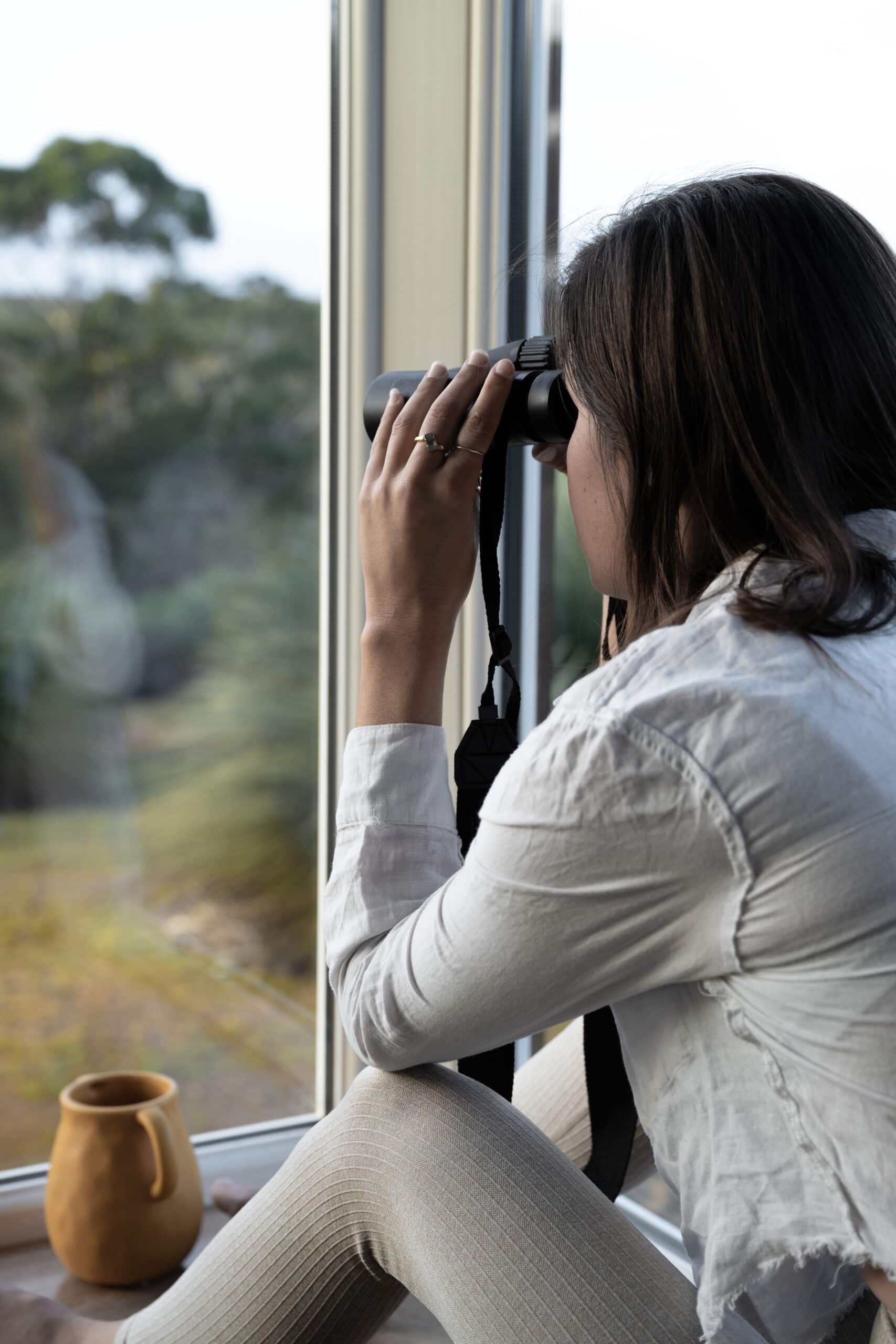
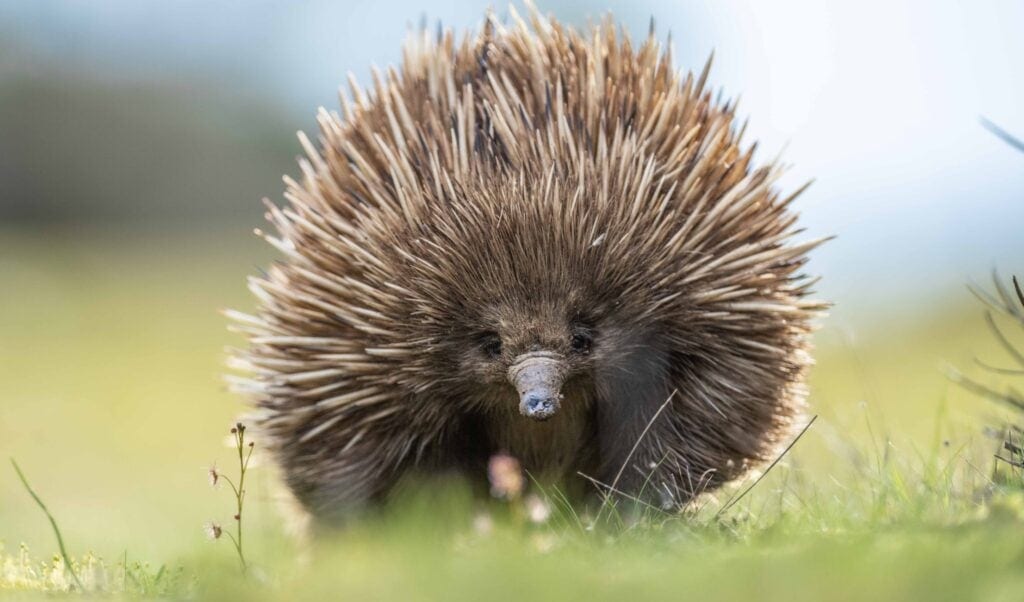
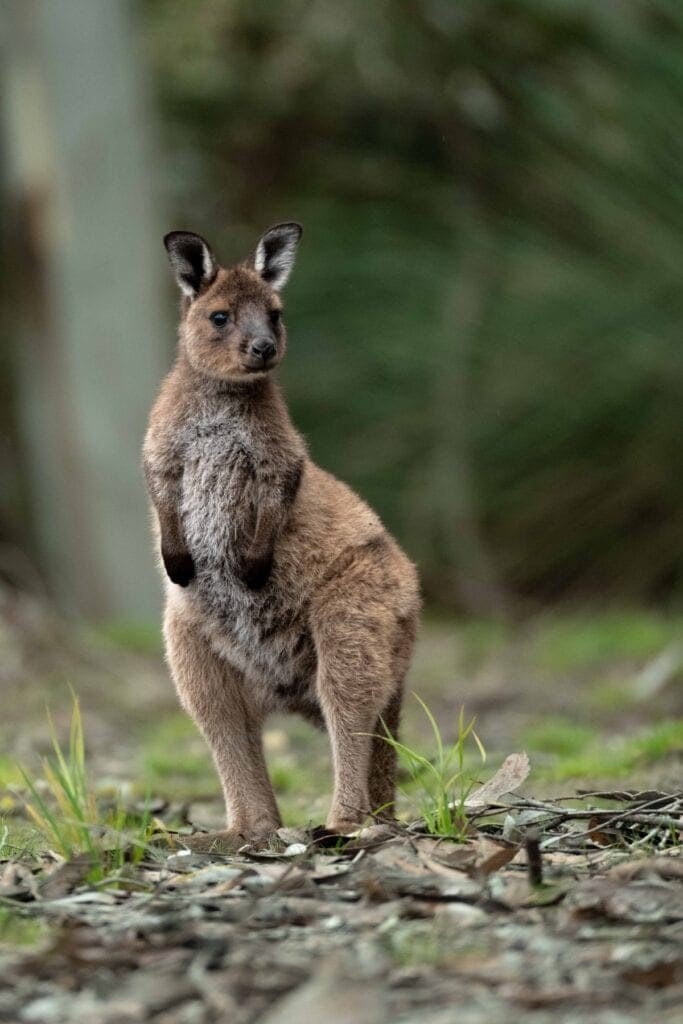
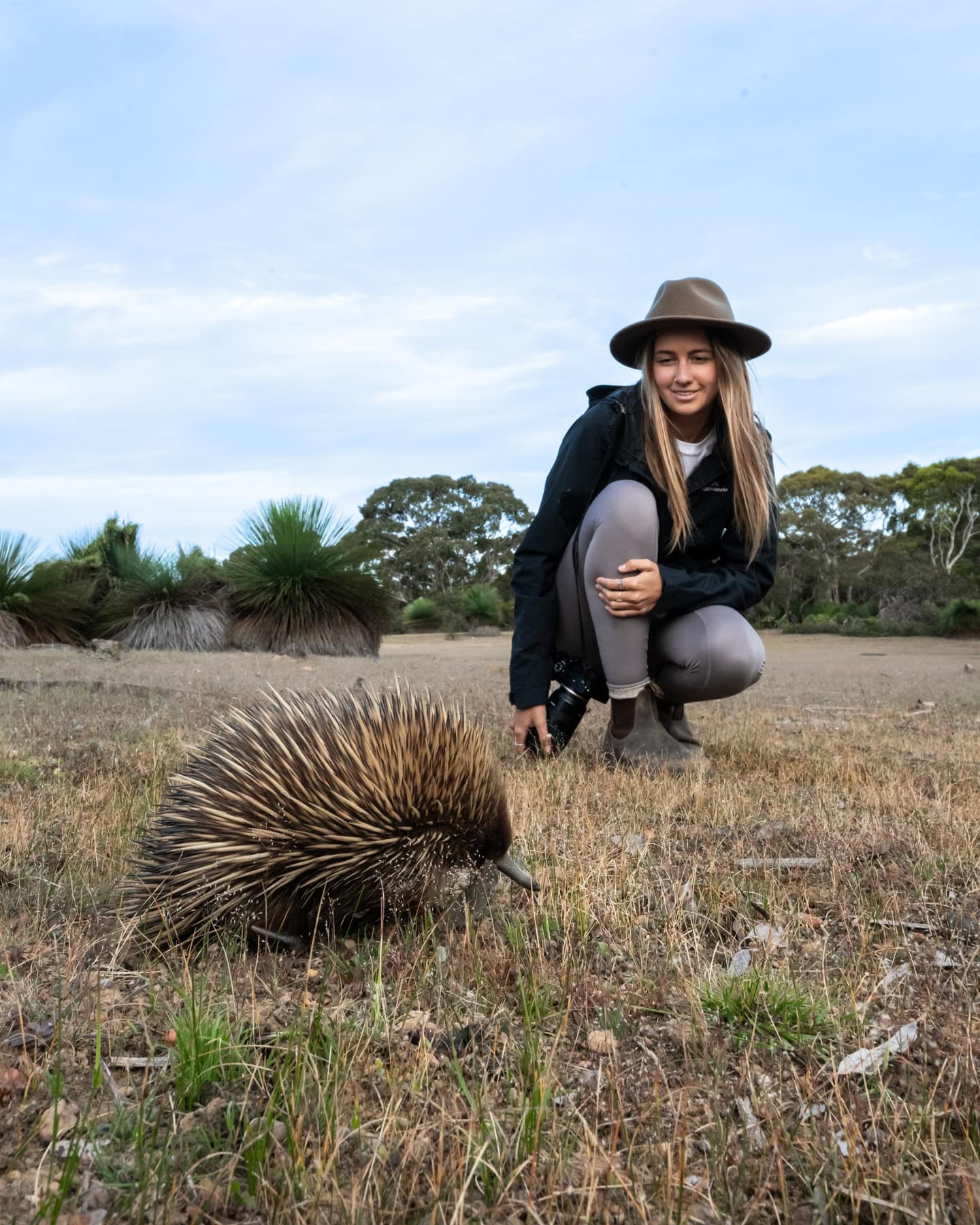
I think the thing that makes Ecopia so special is the fact that you're so immersed in nature. Being a small retreat on a conservation property means you're away from people, out in the bush, and surrounded by wildlife - literally walking up to your doorstep. You could step out onto your deck and see an echidna, a kangaroo, and then turn your head to find a koala in the tree right next to you. The fact that you're surrounded by so many rare and special animals native to Australia really sets it apart from anywhere else we have here in Australia.
Which three people would you bring to Ecopia for a wildlife retreat?
I think the three people I’d love to bring to Ecopia for a wildlife retreat would be David Attenborough - so he could share stories and narrate the whole experience. Paul Nicklen, the photographer, so he could teach me his ways. And Gordon Ramsay, so he could cook us some mad feeds out on the deck.
What’s been keeping you busy lately?
One of the projects I’m currently involved in is a sea turtle conservation program in Papua New Guinea called the Conflict Islands Conservation Initiative. It’s a program that’s turned poachers into conservation rangers, who now oversee the protection of nesting sea turtle populations and their hatchlings.
My role in the program is to volunteer my skills as a photographer - to help document and capture the incredible work they’re doing. They’re a purely donation-funded organisation, so by lending my skills, I can help them get their message out and, hopefully, secure more funding to continue the amazing work.
What’s really special is that they’ve discovered the sea turtles populations in Papua New Guinea are actually Australian turtles from the Great Barrier Reef. So it’s vital that their message is heard, and these turtles are protected.
How do you stay motivated and inspired in your industry?
For me personally, it’s easy to stay inspired because I love wildlife and I love what I do. But when you’re working commercially over a long period of time, it can be challenging to stay motivated and creative. The biggest thing for me is to reset - just go out and enjoy nature for what it is. The inspiration always comes from that.
What advice would you give to aspiring wildlife photographers?
The biggest tip I have for aspiring wildlife photographers is to photograph what you love. I love photographing wildlife - especially underwater - and I think that shows through in my work. It’s easy to get caught up in the craziness of social media and feel like you need to create what others expect. But my best advice? Do it for the love of it. Photograph what you want to photograph. Follow your passion.You can follow Jake on Instagram here, and check out his website here.